
Top Strategies for Securing a Loan Despite Bad Credit: Explore Your Best Choices
Finding it hard to get a loan approved because of bad credit? You’re definitely not the only one.
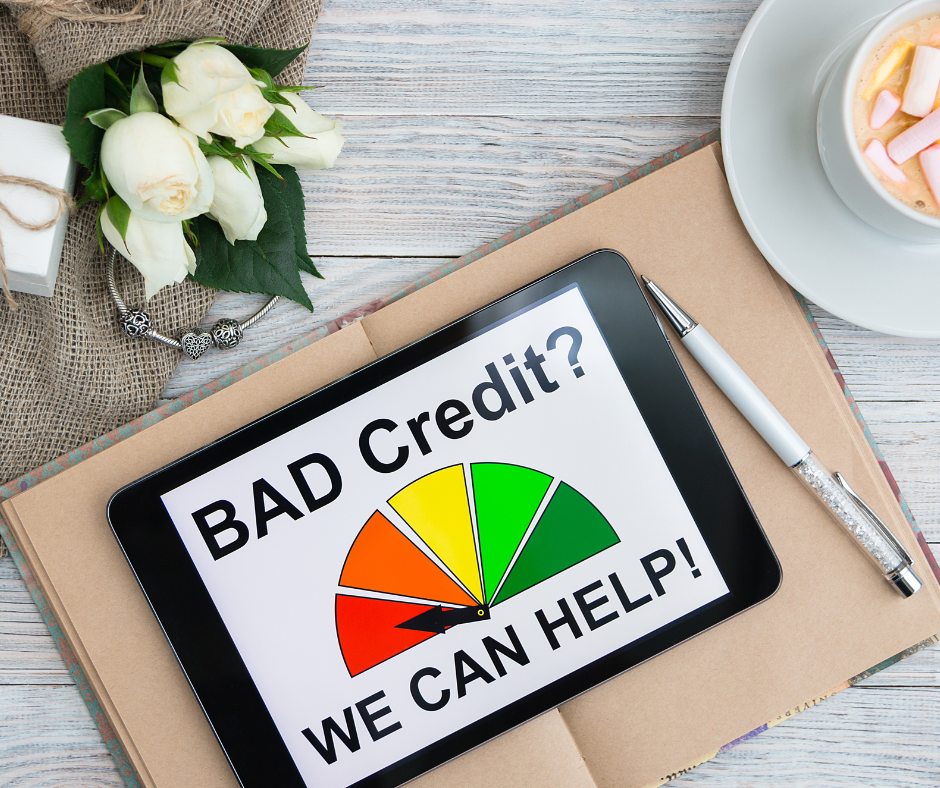
Every day, millions struggle with this issue. Whether it’s from missed payments, mounting debt, or unexpected money troubles, having a low credit score can make getting a loan feel almost impossible. Still, although your options might be limited, it doesn’t mean there aren’t any solutions available.
This guide lays out practical options you can explore, without unrealistic guarantees or sugarcoating. Let’s get started.
Why getting loans with bad credit is so challenging
Lenders start by examining your credit score when you apply for a loan. A poor score suggests you might have had difficulty managing debt previously. Because of this, many traditional banks either reject your request or offer loans with higher interest rates to balance their risk.
It’s understandably upsetting when you need funds quickly for things like emergencies, vehicle repairs, medical expenses, or debt consolidation—and loan denials keep piling up, adding to the pressure.
The upside? There are lenders and loan products tailored for borrowers with poor credit. Still, it’s important to know how these options work, their potential drawbacks, and which might best fit your situation.
Top loan choices for bad credit
Below are some borrowing options that might be accessible to you:
1. Loans from credit unions
Credit unions typically apply more lenient lending standards than traditional banks. Being member-owned, they often evaluate your full financial picture instead of focusing solely on your credit score.
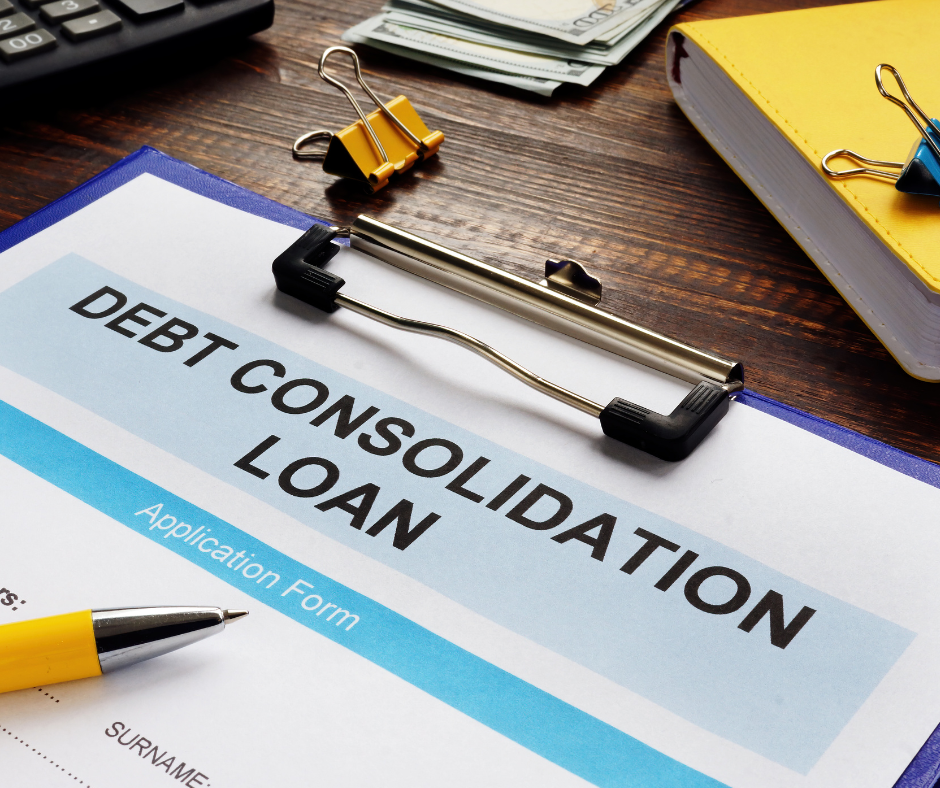
Loans
Debt Consolidation Loans
Discover when they help and when they hurt.
LEARN MORE * You will remain on the current website2. Online lenders focusing on bad credit
Certain trustworthy online lenders may consider alternative factors like your job history or bank activity when evaluating your request. Be sure to check a lender’s credibility before submitting an application.
3. Secured personal loans
Providing collateral like a vehicle or a savings account can boost your chances of loan approval. Keep in mind, though, if you don’t repay, the lender has the right to claim the asset you pledged.
4. Co-signer loans
If you have a reliable friend or family member with good credit who agrees to co-sign, you might secure better interest rates and loan terms. However, missing payments can negatively affect the co-signer’s credit as well.
5. Peer-to-peer (P2P) lending platforms
Peer-to-peer lending sites link borrowers straight to investors. Many of these platforms offer more lenient credit criteria than traditional banks do.

Loans
Secured vs Unsecured Loans
Which one should you choose?
LEARN MORE * You will remain on the current websiteTips to boost your loan approval odds
You can take steps to make your loan request stronger:
- Check your credit report for errors: mistakes happen. Fixing errors can sometimes improve your score quickly.
- Show proof of stable income: lenders value steady income, which can outweigh a low credit score.
- Reduce existing debt: paying down current debts can improve your debt-to-income ratio.
- Compare multiple offers: never accept the first offer. Shopping around can lead to better terms.
Being cautious helps you make wiser decisions
Dealing with bad credit can feel daunting, especially when unexpected expenses arise. Although your borrowing options might be fewer, they’re still available. The important thing is to move forward with caution: shop around for lenders, fully understand the loan terms, and steer clear of offers with excessive interest rates or hidden charges.
Above all, borrowing when your credit is poor should help you rebuild your finances, not just serve as a short-term patch that causes further difficulties. Ensure each decision you make aligns with your financial recovery and future stability.